
How Does Salt Preserve Food? Science and Methods
Salt has been used for centuries as a natural method of food preservation. But is salt a preservative? Yes, and one of the most effective ones known to humanity.
This article explains the science behind salt and food preservation, how salt acts as a preservative, and the different methods of preserving food with salt.
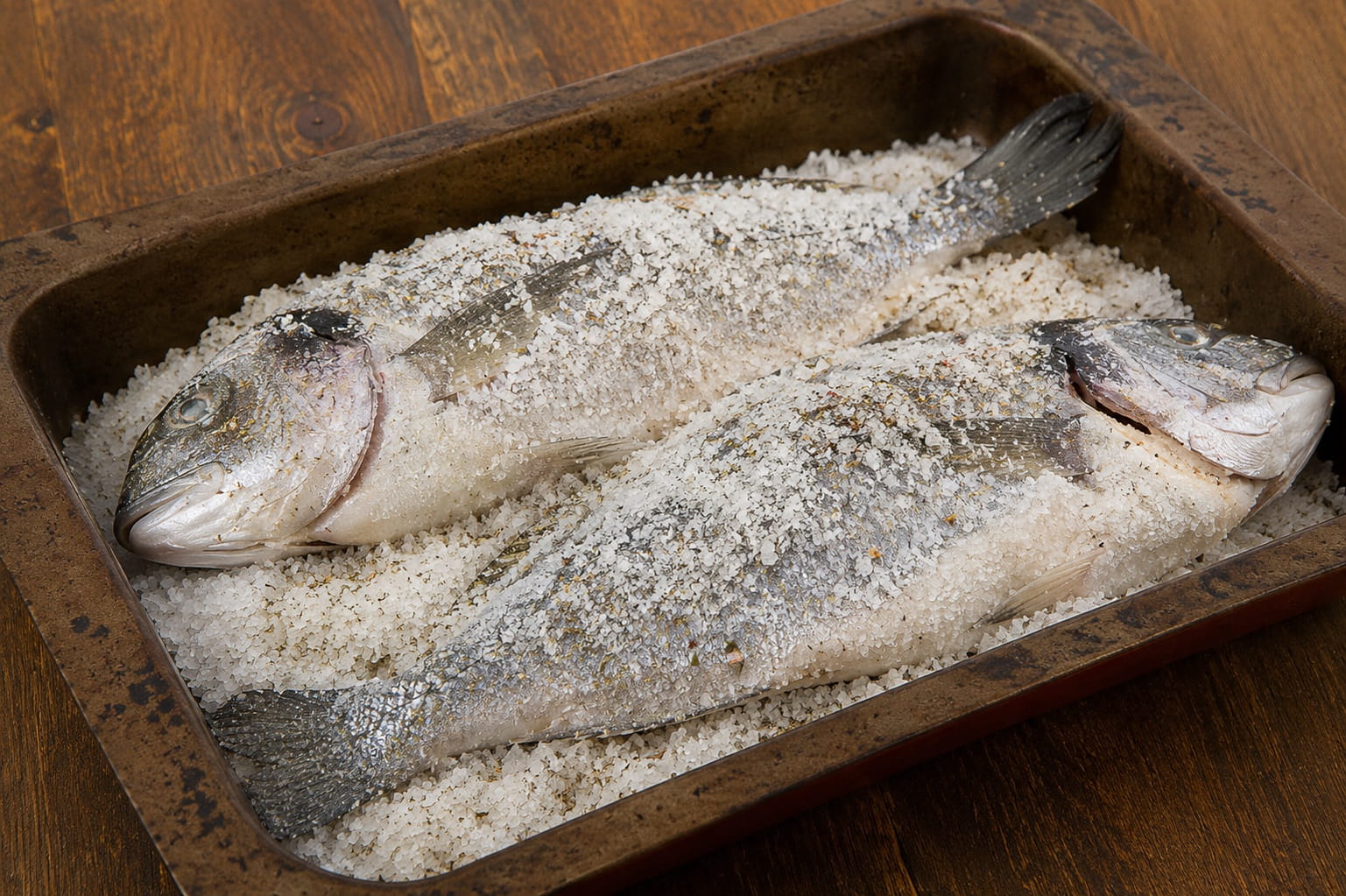
Why Does Salt Preserve Food?
Salt preserves food primarily by reducing the availability of water, which inhibits the growth of bacteria, yeast, and molds. This process is known as food preservation by salt or curing. According to the National Center for Biotechnology Information (NCBI), salt has historically been the primary method of food preservation before refrigeration existed.
- Salt draws moisture out of food through osmosis
- Without sufficient moisture, harmful microorganisms cannot thrive
- Salt also creates an environment inhospitable to bacteria that cause spoilage
Salt as a Food Preservative
How does salt preserve food at a scientific level? Salt as a food preservative works by lowering water activity, the amount of free water available for microbial growth. The FDA recognizes salt (sodium chloride) as a Generally Recognized As Safe (GRAS) preservative, confirming its effectiveness and safety in food production.
How Salt Works in Preserving Food
Preserving food with salt can be done through three main methods:
- Dry salting involves covering food completely in salt crystals
- Brining uses a saltwater solution to preserve and flavor food
- Curing combines salt with other agents like sugar or nitrates for meats and fish
Salt as a food preservative also slows enzymatic activity, which further helps keep food fresh longer. Research published by the NCBI confirms that salting food preservation remains one of the most reliable methods for extending shelf life across meat, fish, vegetables, and dairy.
Can Salt Preserve Food Effectively?
Yes, how does salting preserve food so effectively? Because it targets the root cause of spoilage: microbial growth. Salt is especially effective for preserving meats, fish, vegetables, and cheese. Its preservative qualities extend shelf life while enhancing flavor and texture, which is why salting food preservation remains widely used in both traditional and industrial food production.
Applications of Salt for Food Preservation
How does salt preserve food in practice? Common applications include:
- Salted fish and cured meats — traditional methods still used worldwide
- Pickles and fermented foods — brining creates an acidic, hostile environment for bacteria
- Cheese production — dry salting controls moisture and develops flavor
- Industrial food processing — salt combined with drying, smoking, or refrigeration for best results
Does Salt Help Preserve Food Safely?
Using the right amount of salt and method is crucial. Too little salt may not prevent spoilage, while too much can affect taste and texture. According to Harvard T.H. Chan School of Public Health, sodium chloride remains one of the most studied food additives in history, with well-established safety guidelines for food preservation use.
Contact Us for Bulk Food Salt
For industrial or large-scale food preservation needs, contact us for high-quality food-grade salt supplies. We provide reliable delivery worldwide, supporting your food production with premium preservation salt.
Find Solar Salt, and Vacuum Salt for food preservation and other applications on our website.